Zambia | Mental Health | Substance Use
Key Achievements
- Film: Produced the documentary “Kantolomba: Fighting the Bottle” highlighting alcohol abuse in Ndola and its social impact.
- Radio dramas: Developed two Bemba-language radio dramas aired on Mwansabombwe FM to educate communities about substance abuse.
- Website: Launched a dedicated website to host interviews, documentaries, op-eds, blogs, and a directory of mental health service providers.
- YouTube channel: Created a YouTube channel to centralise all multimedia content for broader reach.
- Interviews: Conducted interviews with experts, community members, faith leaders, and survivors to provide credible, relatable narratives.
- Storytelling: Successfully combined storytelling with scientific evidence, statistics, and survivor testimonies to increase audience trust and engagement. Watch here.
- Multi-platform approach: Expanded original plans beyond op-eds to a multi-platform approach, reaching urban and peri-urban audiences and enhancing access to mental health information. Read “Substance Abuse in Zambia” and “To Shisha or Not to Shisha”
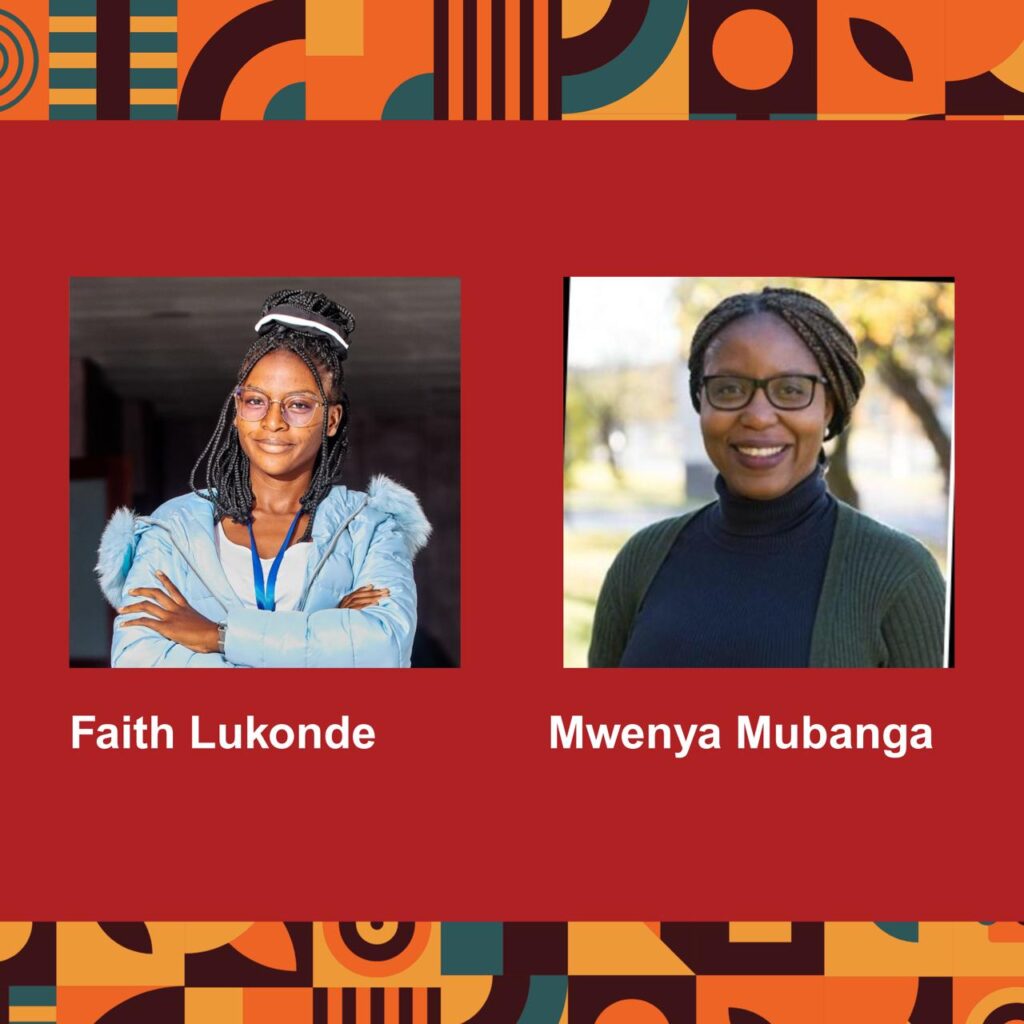
In many Zambian communities, conversations around mental health and substance abuse remain limited, despite their visible impact on families and social life. Mwenya Mubanga and Faith Lukonde tackled this gap by documenting how alcohol and drug abuse affect everyday realities in Lusaka and Northern Zambia, using multimedia storytelling to promote awareness, empathy, and stigma reduction.
Combining interviews, survivor testimonies, and expert insights, the project translated evidence into radio dramas, documentaries, and digital content in local languages.
The stories resonated strongly with audiences, prompting dialogue around mental health, stigma, and access to care. Engagement reached audiences through Bemba-language radio dramas, documentaries, a dedicated project website (https://mentalhealthhelpzambia.org/), and YouTube channels, prompting conversations and reflection both online and offline.
Community feedback indicated that the stories resonated strongly, encouraging dialogue around mental health and substance abuse while improving access to information and local support services, laying a foundation for continued advocacy and expanded mental health storytelling in Zambia.
“We initially planned to publish the op-eds every two weeks, but when we faced rejections and delays, we realized that we needed to be more flexible and think of alternate ways to communicate our information. It pushed us to think creatively and ultimately led us to publish everything on our own website.”