Zambia | Women’s Health | Neglected Tropical Diseases
Key Achievements
- FGS Orientation Workshop: Conducted a joint training for 17 healthcare workers and 12 journalists, improving knowledge of symptoms, diagnosis, and reporting accuracy.
- Community Radio Programme: A live FGS discussion on Kariba FM reached local women, who provided immediate feedback and sought further guidance.
- FGS Infographics: Developed simplified awareness materials for distribution in clinics and community spaces; currently under review by the Ministry of Health.
- Op-ed: Co-authored an op-ed in the Times of Zambia, prompting editors to explore additional national coverage on FGS.
- Documentary Production: “Voices from Siavonga: Understanding FGS”
- Field Dialogue with Local Leaders: Secured commitments from community leaders to support ongoing awareness efforts.
- Workshop Knowledge Gains: Health workers recognised FGS symptoms shown in WHO’s atlas and pledged to begin treating suspected cases.
- WhatsApp Community Poll: Engaged the Ministry of Health WhatsApp Channel’s 128,000 followers to test FGS awareness levels.
In Zambia, Female Genital Schistosomiasis (FGS) remains a largely invisible condition, leaving many women misdiagnosed, untreated, or silenced by stigma.
Working in Siavonga District, a high-risk area for schistosomiasis, the team examined how low awareness, stigma, and systemic gaps contribute to delayed diagnosis and poor care.
Drawing on WHO guidance, expert interviews, workshops, and community dialogue, clinical evidence was translated into accessible storytelling through radio discussions, op-eds, infographics, workshops, and documentary production.
The project helped initiate conversations around stigma, increased awareness of FGS particularly among local health workers, and laid the groundwork for sustained advocacy and improved media coverage of FGS as a public health priority.
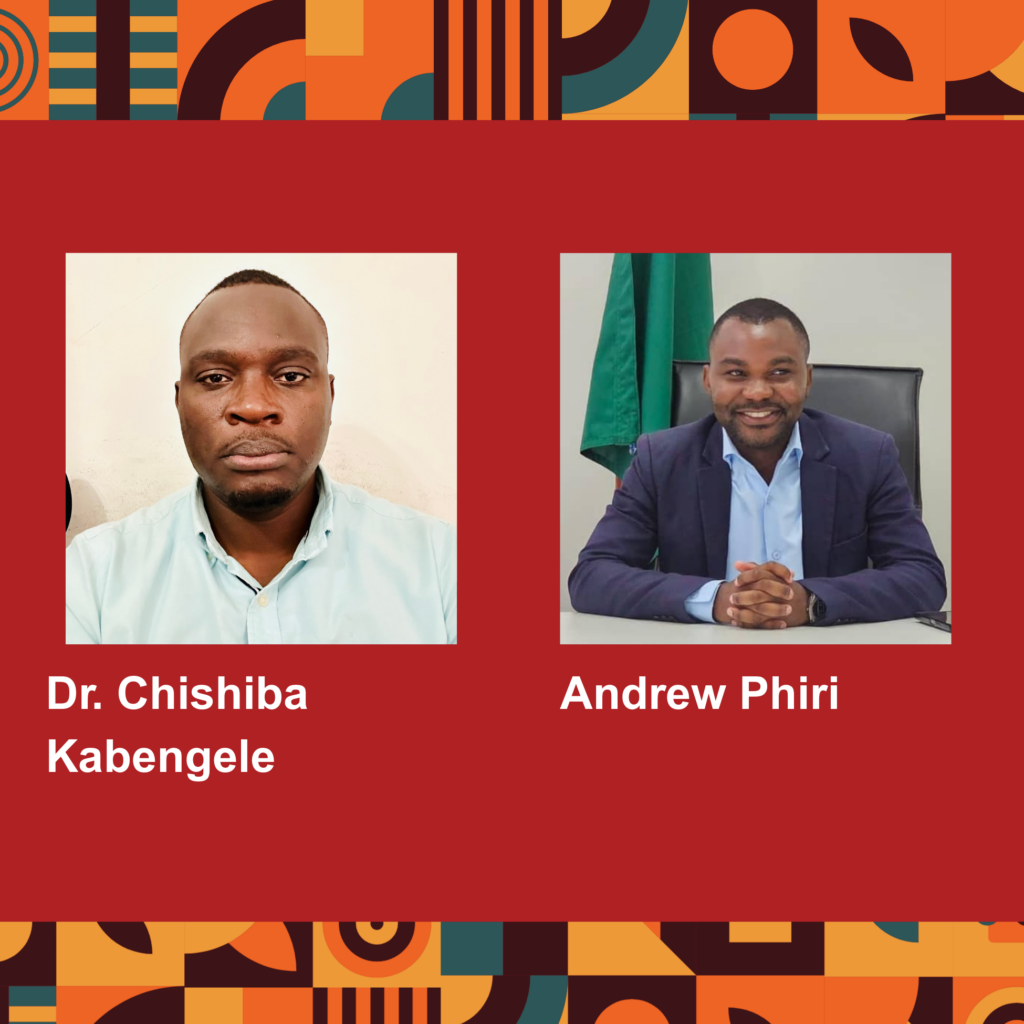
“Working as an interdisciplinary team underscored the necessity of integrating scientific knowledge with effective storytelling. As a clinician and journalist partnership, we determined that neither empirical data nor narrative alone suffices; it is their synthesis that effectively motivates action. This realization has substantially influenced our communication strategies within our respective fields.”