
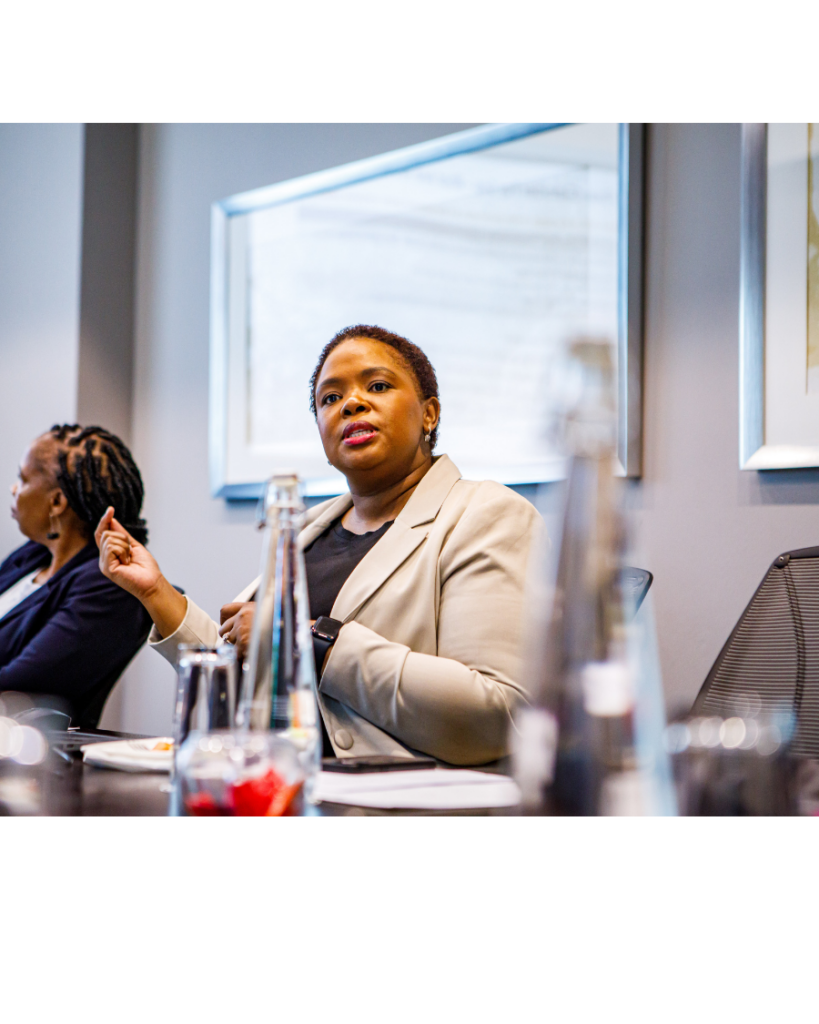
At the International Women’s Day commemoration, Norma Mazibuko, Partner/Master Reward Specialist at Bowmans, delivered a masterclass on closing gender pay gaps. Even with South Africa’s evolving legal framework, gender pay gaps still exist. This masterclass provided practical ways organisations can tackle gender pay gaps. Norma calls on organisations to address pay gaps and improve how they measure and analyse salaries to create workplaces where everyone has an equal opportunity to thrive.
Norma provided 5 steps organisations can take to spot the gaps:
Step One: Clean the data
Make sure all pay data is accurate and organised. Group employees by job level and include information like linked job position groups, experience, and performance so the data can be compared properly.
Step Two: Compare like with like
Compare employees who do similar jobs at the same level. This helps ensure fair comparisons and shows whether gender gaps exist within roles or across different levels.
Step Three: Control for real pay differences
Take into account valid reasons for pay differences, such as experience, skills, performance, location, and market factors.
Step Four: Analyse total rewards
Don’t focus only on salary and wages; organisations must also look at bonuses, incentives, and benefits to give a bigger picture of what people actually earn.
Step Five: Metrics that matter
Use clear measures, like median pay and bonus participation, to understand where gaps exist and how significant they are.
Organisations can implement these practical strategies to close the gender pay gaps:
- Regular equal pay reviews: Organisations must keep track of pay fairness, managing regular yearly pay reviews.
- Strengthen pay structures: Setting clear salary ranges helps employees progress fairly over time.
- Improve hiring governance: Organisations should keep track of starting salaries and limit negotiation gaps.
- Strengthen leadership accountability: Leaders must take responsibility for pay equity. The board committee responsible for setting the pay must review data, set goals, and ensure accountability.
- Address leadership representation: Organisations should increase the representation of women in senior roles and invest in development, mentorship, and removing barriers to career growth.
In this masterclass, we learned that closing the gap requires long-term, systemic changes, including strengthening pay structures, improving hiring governance, holding leadership accountable, and building stronger pipelines for women into senior roles, despite ongoing challenges such as limited transparency, budget constraints, and resistance to change.
